
How to Layer a Fall Capsule Wardrobe Without Feeling Bulky
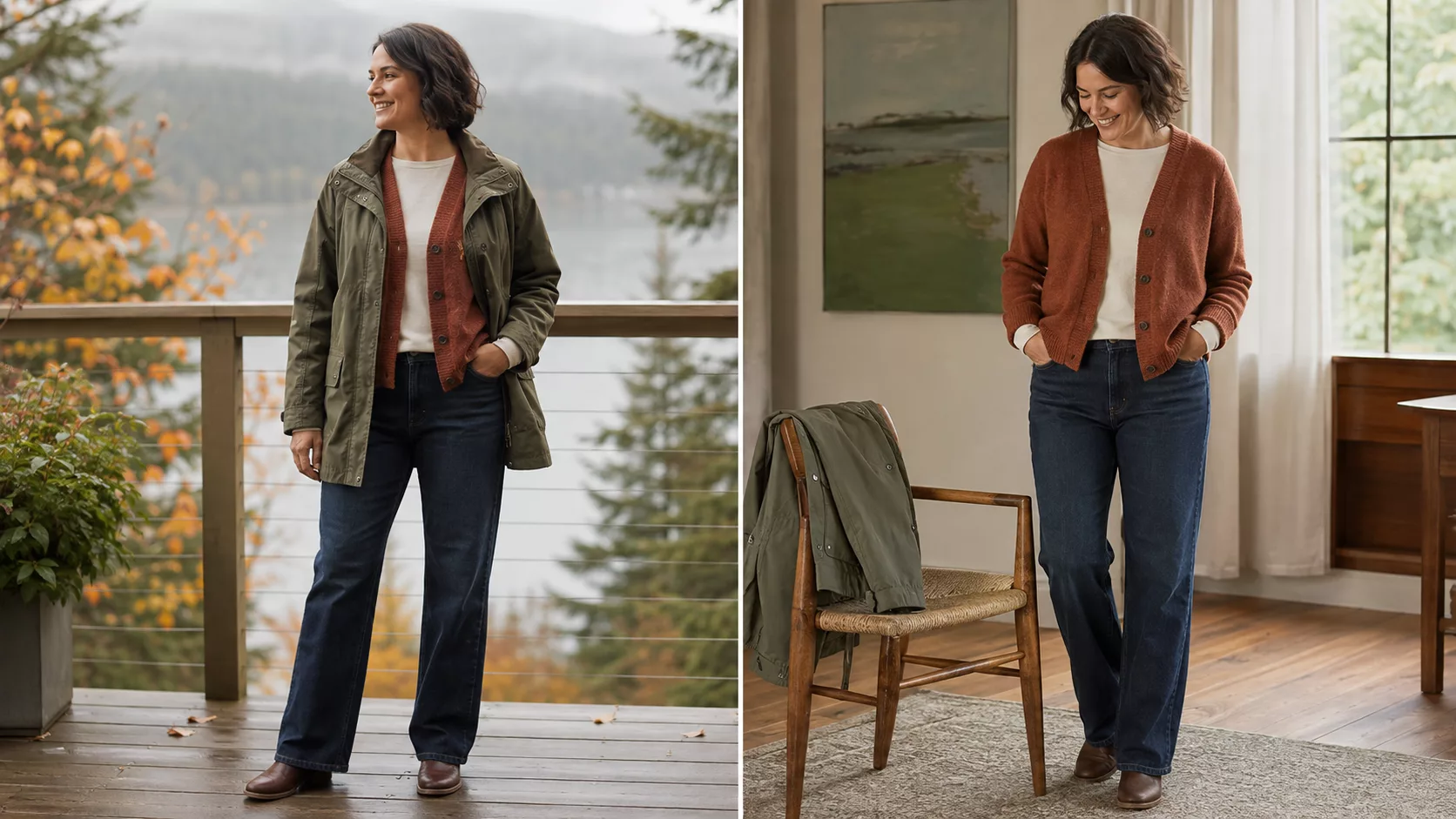
If your shirt sleeves bunch under a sweater or your jacket feels tight as soon as you reach forward, the layers may need a different pairing. Start with clothes that feel comfortable on their own, add only the warmth you need, and check how the whole outfit moves.
Learning how to layer a fall capsule wardrobe gives familiar pieces more ways to work together. A cardigan can make a light top useful on a cool morning, while a jacket can come off when you step into a heated room. The aim is an outfit you can adjust without constantly pulling at it.
Here, feeling bulky means excess fabric, restriction or weight that bothers you. A loose silhouette can feel wonderful. You don't need to make your body look smaller or give up the relaxed clothes you enjoy.
Start with the outfit you will wear indoors
Choose a top and bottom, or a dress, that you would be happy wearing after your outdoor layer comes off. Check the coverage, neckline and comfort before adding anything else. If you know you'll keep a cardigan on inside, include it in that starting outfit.
Then consider your day. A short walk to a warm office calls for a different combination than several hours outside. Use the forecast, your activity and your own comfort to decide how much to add; the calendar alone can't tell you how warmly to dress.
If you're still choosing the clothes in your seasonal rotation, the fall capsule wardrobe guide covers that broader process. For now, work with one outfit and the layers it needs. The capsule wardrobe introduction explains the approach if it's new to you.
What are the best layering pieces for a capsule wardrobe?
The best layering pieces fit comfortably together and serve your day. Think about three possible jobs: a comfortable foundation, adjustable warmth and an outer layer suited to the weather. You may need two garments to do those jobs, or three. There is no required layer count.
A base that sits comfortably beneath other clothes
Try a smooth tee, a lightweight long-sleeve top or a simple blouse you already own. Choose enough ease to move without excess fabric collecting inside the next sleeve. Fitted doesn't have to mean tight.
Check the details as well as the overall size. A puff sleeve or a thick cuff may be comfortable alone but awkward under a narrow cardigan. A sleeveless top removes one set of sleeves, if it gives you the coverage and warmth you want.
A middle layer with useful warmth
A cardigan, fine knit, overshirt or vest can add warmth between your base and outer layer. Start with the one that fits your indoor plans. A cardigan is easy to open or remove; a pullover may suit a day when you'll keep that layer on.
A vest is worth trying when sleeves are the sticking point: it adds coverage around your torso without putting another sleeve inside your jacket. It won't provide the same arm coverage as a sweater. Choose according to where you feel cold.
An outer layer that accommodates the outfit
Try your jacket or coat over the actual clothes you'll wear beneath it. Fasten it as you would outside, then reach forward. Check the upper arms, back and chest for pulling. A coat that works over a tee may not have room for your thickest sweater.
Let weather guide its function. Use an outer garment appropriate to expected wind or rain, checking its stated protection where that matters. Simply adding another knit isn't a substitute for suitable outerwear.
Compare the fabrics before adding another layer
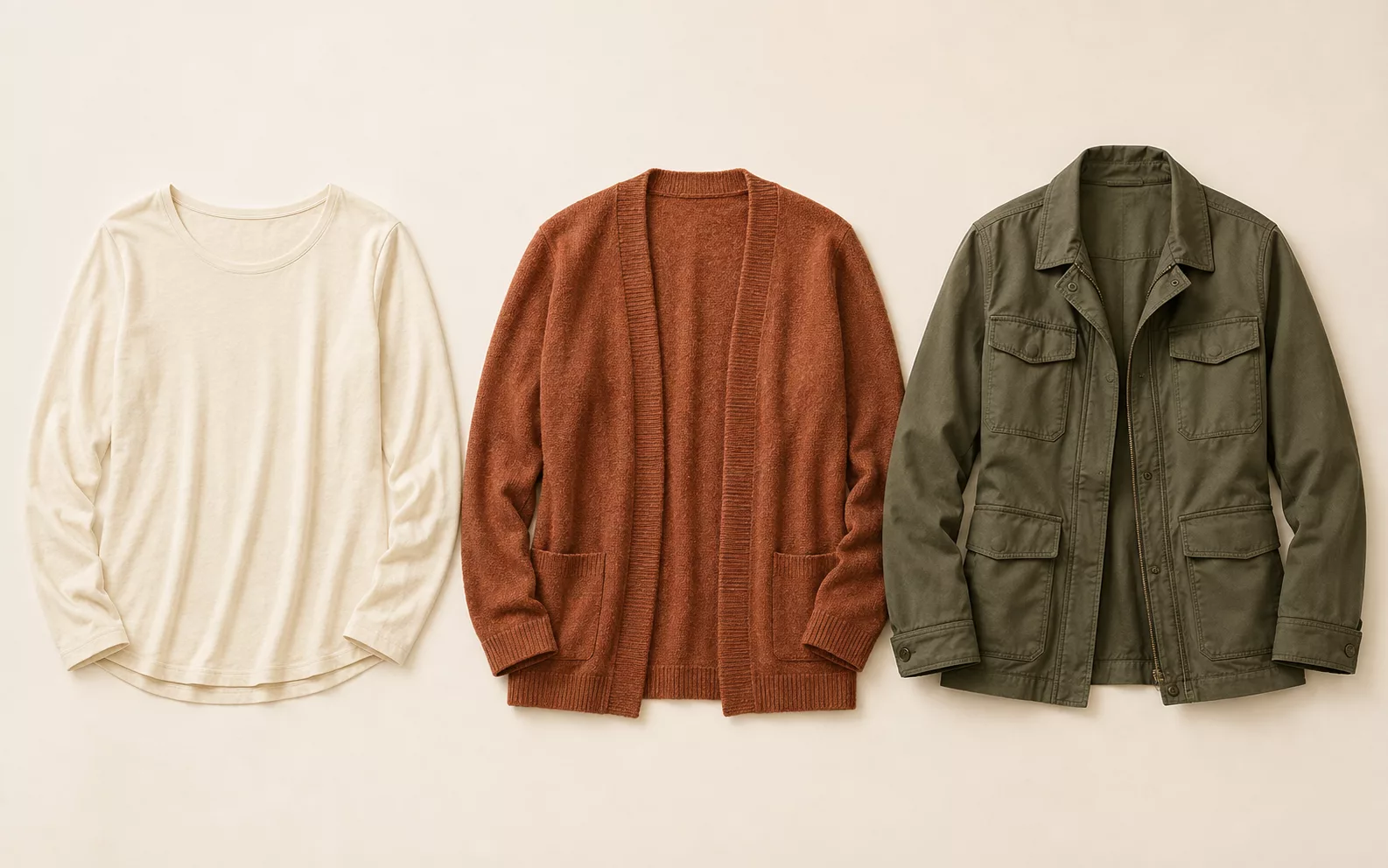
When comparing layers, consider the weight of the whole garment as well as the fabric. Thickness is how much space the fabric takes up, texture is its surface, and drape describes how it hangs. A piece can take up room without feeling heavy, so check both when a pairing feels awkward.
A sweater's fiber label doesn't tell you everything about its construction. Woolmark's knitwear examples range from fine, lightweight knits to heavier and openwork designs. Compare the actual garments rather than assuming every wool sweater will feel the same beneath a jacket.
Lay your possible layers beside one another. Feel the cuffs, collar and seams, where extra thickness can collect. Slip one sleeve inside the other and notice whether it moves freely or catches. This gives you more useful information about that pairing than a material name alone.
If you want texture, try keeping it in one prominent layer first. A textured cardigan over a smooth top is an easy starting point. A chunky knit may work better as your outermost layer on a suitable day than squeezed beneath a close-fitting jacket.
Keep your preferences in the decision. If a fabric irritates your skin, needs care you won't manage or feels too heavy on your shoulders, try another piece. A layer earns its place by being comfortable to wear.
Adjust garment length and proportion
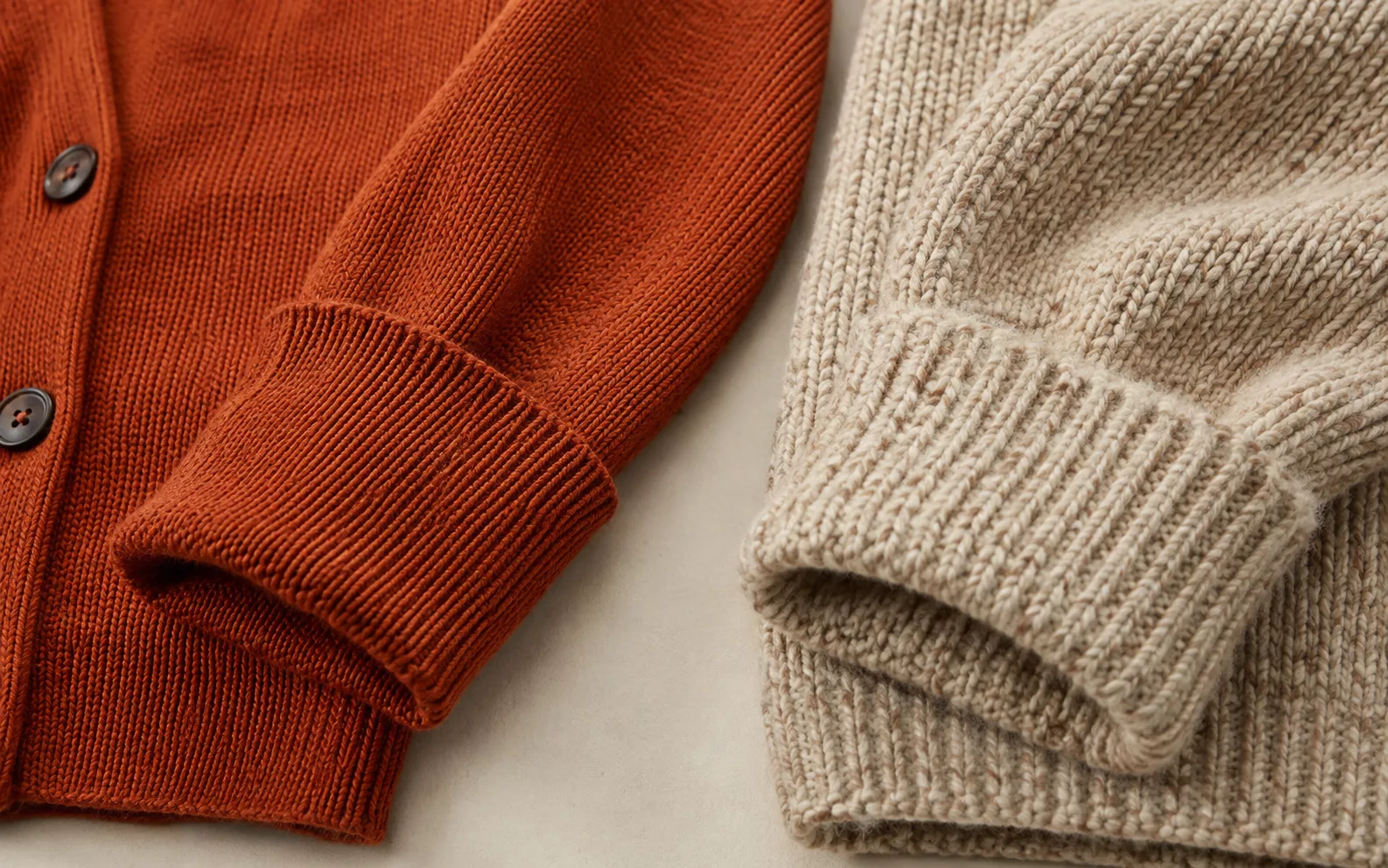
Once the outfit feels comfortable, look at where the hems finish. Several hems clustered together can look busy to you even when nothing feels tight. Try removing a tuck, changing the middle layer's length or leaving the outer layer open when conditions allow.
There isn't one correct order for garment lengths. A longer shirt showing below a short knit can be deliberate; a long cardigan can also work over a long dress. Eileen Fisher's proportion guide illustrates several combinations of long, short, slim and relaxed shapes. Treat those combinations as options to explore.
For example, if a long shirt, hip-length cardigan and cropped jacket all feel crowded around your waist, first try the jacket over the shirt alone. If you still need the cardigan's warmth, test a different jacket length or a thinner middle layer. Check the result both open and fastened.
With wide-leg trousers, compare a shorter knit with a longer open cardigan. The first reveals more of the trousers; the second creates a longer outer line. Either can work. Choose the proportions you like without adding a tight belt or an uncomfortable tuck just to define your waist.
With dresses, there is another useful length to consider. Try sitting in a dress with a cropped cardigan, then with a longer one. Notice where any ribbed band or jacket hem rests when seated, as well as how the outfit looks standing up.

Find the layer that causes the problem
Change one garment at a time so you can tell what helps. Start with the uncomfortable area, remove the outer layer, and repeat the movement. If the problem remains, test the base and middle layer separately.
Sleeves bunch at the elbows or underarms
Smooth the base sleeve before putting on the next layer. If it bunches again as soon as you move, try a base with less sleeve volume or a middle layer with more room. A dropped shoulder or wide sleeve may need a roomier jacket even when the garment fits well on its own.
Avoid solving this by rolling every cuff into the same spot. Several rolled cuffs can create the very thickness you're trying to remove. Try leaving one sleeve unrolled or choosing a different sleeve combination.

Collars feel crowded
A shirt collar, high-neck sweater and scarf can put several layers around your neck. Remove one and reassess. Try a lower-neck sweater over the collared shirt, or wear the high-neck knit over a collarless base. Keep the combination that feels comfortable when you turn your head.
Fabric collects at the waistband
Try tucking only the thinnest layer and leaving the others free. If the waistband still presses when you sit, untuck it or try a shorter top. You don't need to hide every hem, and a tuck that feels comfortable standing may not work through a seated workday.
The coat pulls when you move
Remove the middle layer and reach forward again. If movement improves, test a thinner or sleeveless middle layer. If the coat still pulls over the base, try a different coat from your wardrobe. Forcing it closed won't make the combination more useful.
The outfit feels heavy rather than tight
Check whether two substantial garments are doing the same job. A thick cardigan under a heavy coat may be more than you want for a mild day. Try a lighter middle layer while keeping the outer protection you need. If the weather requires substantial warmth, prioritize comfort and protection over appearance.
Plan what comes off as the day warms up
Choose your removable layer before leaving home. You might take off a jacket on arrival, then open or remove a cardigan later. Make sure the base underneath gives you the coverage you want, and consider where the removed garment will go.
Check that the remaining clothes still work together when an outer layer comes off. You should feel comfortable with their coverage, fit and proportions.
For a mild afternoon, a top and one removable layer may be enough for you. On a colder day, keep a middle layer that remains comfortable indoors. If you spend most of the day outside, test the complete combination for that activity rather than planning only around the indoor version.
Two small adjustments show how these layering techniques work in a capsule wardrobe:
From a cool walk to a warm room: Try a lightweight long-sleeve top beneath a cardigan and a weather-appropriate jacket. If the sleeves feel crowded, compare the cardigan with a vest you own. Remove the jacket indoors, then reassess whether you need the middle layer. The useful change is reducing sleeve overlap while preserving the warmth you want.
A dress beneath a jacket: If a cardigan's ribbed hem presses into your waist over a dress, compare it with an open cardigan of a different length. Add the jacket and sit down again. Check where both hems rest and whether the dress hangs freely. This tests length and pressure while keeping the dress as your starting point.
These fall layering outfit ideas are experiments with fit and function. Reuse the adjustment that works with another top or dress; you don't need a separate formula for every day.
Give the finished outfit a movement check
Before you settle on a combination, spend a moment wearing it as you actually will:
- Fasten the outer layer and reach forward with both arms.
- Sit down and notice pressure at the waist, shoulders and neckline.
- Bend your elbows and check whether the sleeves collect or pull.
- Put on your usual bag and check the straps over the layers.
- Remove the planned layer and check your comfort and coverage again.
If something needs constant adjustment, change that pairing. A quick photo or note can help you remember which cardigan fits under which jacket. Record the useful detail, such as “vest works under narrow sleeves,” so you can repeat the solution with other clothes.
Comfortable layering starts with garments that work together. Once you know where a combination catches, presses or feels heavier than you want, you can make a specific change using your own closet.
As an eBay Partner, I may be compensated if you make a purchase through links in this article, at no additional cost to you.
If testing your own clothes shows that you need a middle layer without another pair of sleeves, and wool feels comfortable to you, you can browse pre-owned women’s neutral merino wool sweater vests on eBay. Check the knit thickness, neckline, garment measurements, fiber label and condition against the outfit you plan to wear. A vest won’t provide the arm coverage of a sweater, and the fiber name alone won’t tell you how bulky it feels.
If your outfit needs a smoother base beneath a cardigan or jacket, browse pre-owned silk sleeveless shells on eBay. Look for a simple neckline, minimal embellishment and enough room to move. Check opacity, garment measurements, fiber labels and care instructions; silk alone does not guarantee a thin or comfortable layer.
What to read next
For help deciding which clothes belong in your seasonal rotation, read How to Build a Fall Capsule Wardrobe. If you're new to the approach, What Is a Capsule Wardrobe explains how a smaller group of compatible clothes can make everyday dressing easier.
Join the conversation
Which part of layering gives you the most trouble: bunched sleeves, a crowded neckline or getting too warm indoors? Tell me where your outfit stops feeling comfortable.
Shop my curated finds
If trying your own layers reveals a gap, use what you've learned about fit, weight and sleeve room when browsing my curated finds at Peak Pursuits Marketplace. Look for a piece that works with the clothes you already reach for, and compare garment measurements and condition before choosing.